Behind the Scenes
As Snow White returns this July, composer and Executive Director Dr Lucas D Lynch reflects on the creation of the ballet's powerful original score, exploring the themes, musical storytelling, and collaboration that bring the production to life.
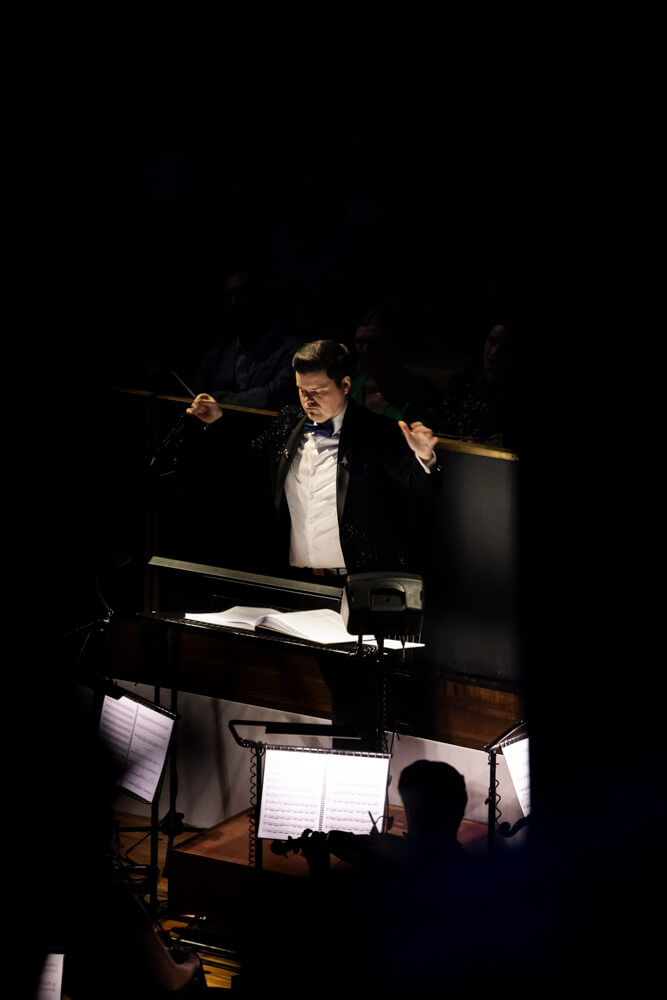
When Ballet Theatre Queensland's Snow White returns to the stage this July, audiences will once again be immersed in the rich musical world created by composer and Executive Director Dr Lucas D Lynch.
Originally conceived more than two years ago alongside Artistic Director Clare Morehen, the score has become one of the defining elements of the production. It is a sweeping, cinematic work filled with recurring themes, emotional storytelling, and moments of unexpected musical colour.
As the company prepares to return to both the Gold Coast and Brisbane stages, Lucas has found himself revisiting the score with fresh ears. "It's wonderful coming back to this score now," he says. "It's almost like revisiting an old friend. After all the love, care, passion, and energy that went into creating it, it's exciting to relive that magic."
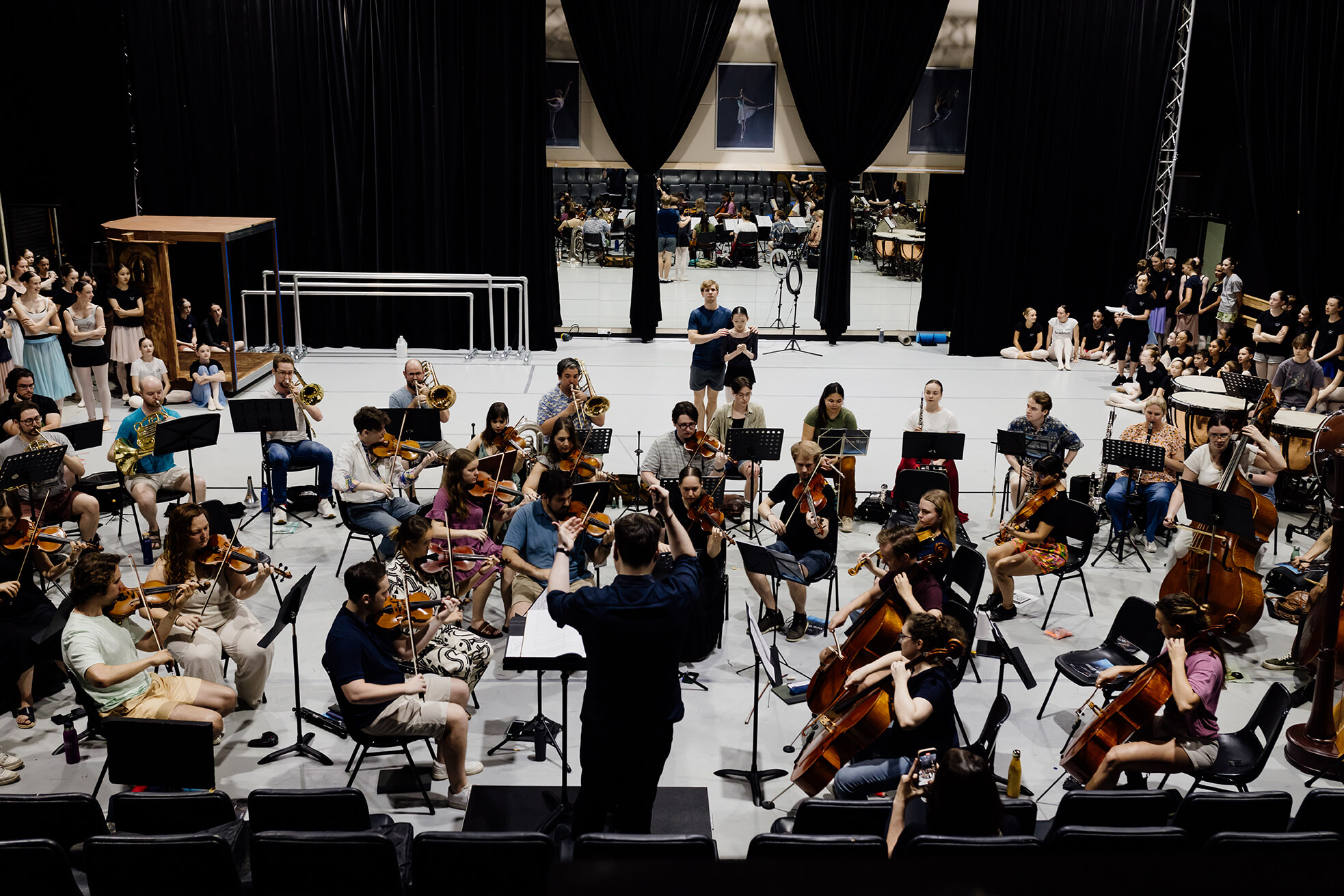
For Lucas, one of the most rewarding aspects of composing Snow White was the opportunity to develop the music alongside the choreography itself. Unlike many scores that are completed long before dancers enter the studio, Snow White evolved through an ongoing creative dialogue between music, movement, and storytelling.
"There is something incredibly special about watching movement and music influence one another," Lucas reflects. "Sometimes a musical idea would inspire a choreographic moment, and sometimes seeing the dancers in the studio would spark a new musical direction."
The result is a score that feels deeply connected to the world on stage.
Music That Grows Alongside the Characters
One of Lucas' guiding principles while composing Snow White was that the music should evolve alongside the characters themselves. "I was really passionate about motivic development," he explains. "Much like the characters have an arc, the music should too."
At the heart of the score is a simple lullaby sung by Snow White's mother, Lillian, in the opening moments of the ballet. This melody becomes one of the most important musical ideas in the entire work, appearing again and again throughout the story in different forms.
"It grounds so much of the score," Lucas says. "Sometimes it's dramatic, sometimes tender, but it always serves as a reminder of that motherly love."
Snow White herself is introduced through a melody that is intentionally simple, pure, and unaffected. As she grows and matures throughout the ballet, her music develops alongside her, reflecting her journey from childhood innocence to young adulthood.
In contrast to Snow White's clarity and innocence, the Evil Queen's music is deliberately unsettling.
"A lot of what I'm trying to do musically with her is make her feel incredibly snake-like," Lucas explains. "The music is chromatic and never quite resolves properly."
The result is a musical language that constantly keeps audiences off balance. "You're never quite sure where you stand with her. There's always this ambiguity, this feeling that she's plotting."
As the ballet progresses, Lucas begins weaving multiple themes together, sometimes transforming familiar melodies into darker versions of themselves to reflect the Queen's growing influence.
These recurring motifs become part of the storytelling itself, allowing audiences to hear the shifting relationships and emotional tensions between characters long before a word is ever spoken.
Voices Within the Story
Another distinctive feature of Snow White is the integration of choir into the production.
Rather than functioning as a traditional concert choir, the singers become part of the storytelling itself, appearing both offstage and onstage during key moments of the ballet.
One of the most powerful scenes occurs during the Requiem sequence in Act Two, where the lullaby theme returns in a haunting new form.
"The first thing we hear is that lullaby again," Lucas says. "It's layered with the Requiem music, creating this incredibly emotional moment."
For the 2026 season, audiences will hear the voices of students from St Rita's College and Hillcrest Christian College contributing to this unforgettable section of the production.
The choir's presence adds another layer to the storytelling, expanding the emotional world of the ballet beyond the orchestra pit and onto the stage itself.
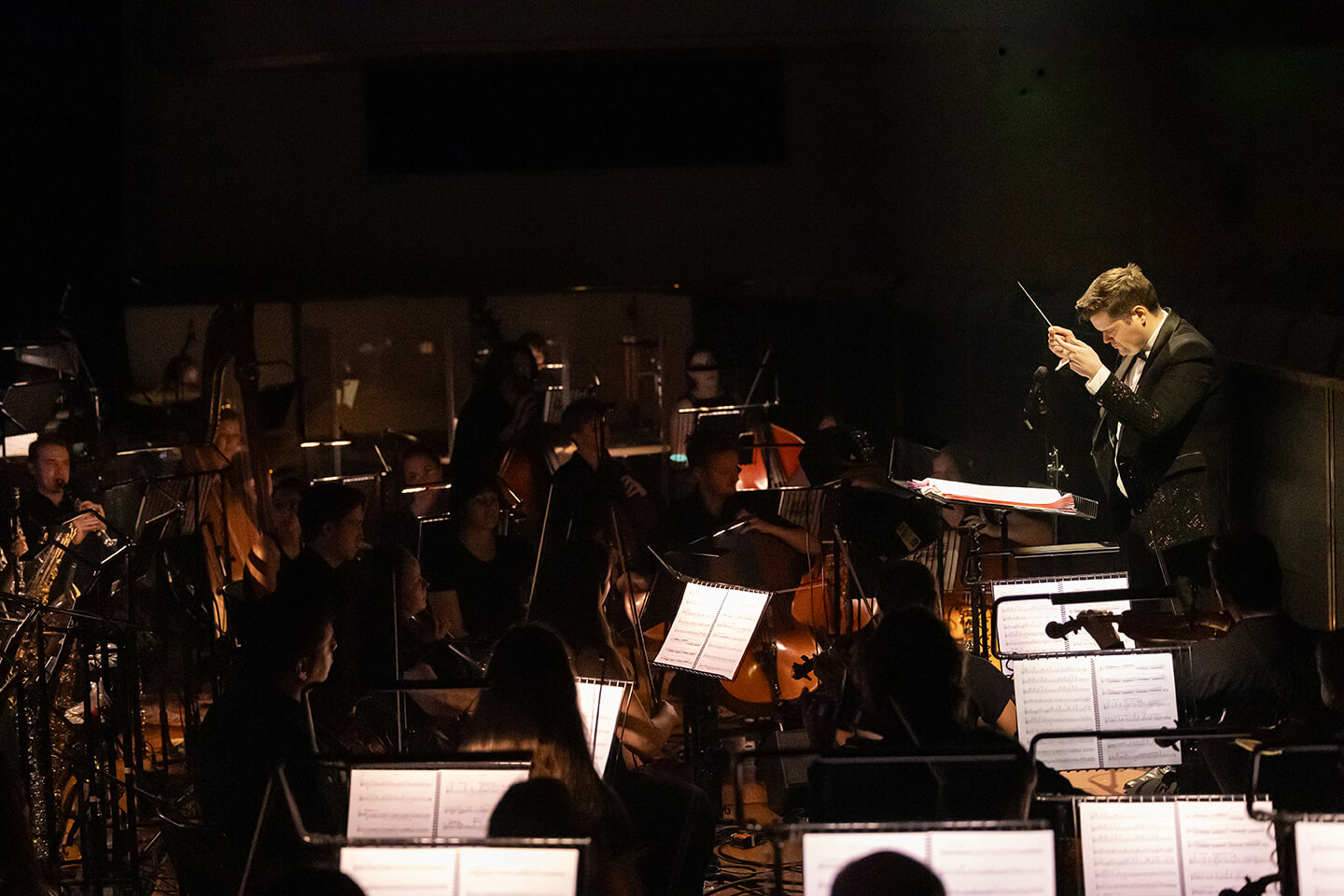
Despite conducting and hearing the music countless times, there are still moments in the score that affect Lucas deeply. One particular scene, centred around a tender oboe melody connected to Lillian's theme, remains especially meaningful.
"Every time I've conducted it, I can't help but get swept up in it," he says. "I become really emotional." Performed by oboist Ruby Cooper, the solo has become one of Lucas' favourite moments in the entire work.
"Her sound is extraordinary. Every time that music came around, I couldn't help but be moved by it."
Perhaps that emotional connection is what makes the score so enduring. More than a collection of themes, it remains an integral part of the production's storytelling, shaped by collaboration and brought to life by the dancers and musicians who perform it.
As Snow White returns this July, audiences will once again have the opportunity to experience the magic of live ballet and live music together in the theatre, just as Clare Morehen and Lucas D Lynch originally imagined.
And for those wishing to revisit the music beyond the stage, the complete Snow White soundtrack is available on both CD and LP, allowing the story, and its music, to continue long after the final curtain falls.
.png)